
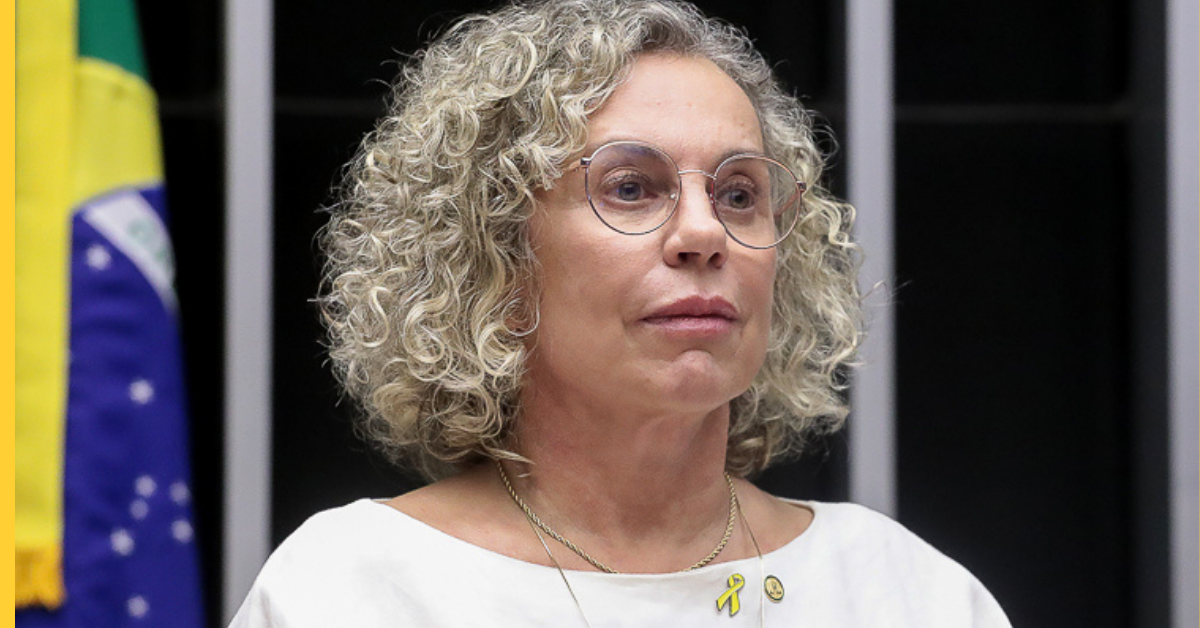
Federal deputy Ana Paula Lima (PT-SC) has introduced Bill 4,761/2026, which creates a specific tax on betting companies’ revenue to fund mental health treatment through the Unified Health System, known as the SUS.
The text creates the Sanitary Inspection Fee on Fixed-Odds Betting (TFS-Apostas), with an initial rate of 2% on the revenue of companies authorized to operate in the country.
The calculation base is the same one already used for the inspection fee created by Law No. 13,756/2018, which, according to the bill’s justification, avoids creating a new assessment system for operators.
The percentage may vary between 1% and 6% in future reviews, depending on the costs the SUS actually identifies in treating people with gambling disorder.
All revenue collected will be allocated to the National Health Fund, through the “Subaccount for Tackling Gambling Disorder,” with its use strictly prohibited for any other purpose.
Mandatory reporting
In addition to the financial charge, the bill adds gambling disorder to the list of diseases subject to mandatory reporting, requiring cases to be reported to health authorities.
The text provides for the confidentiality of patients’ personal data, in accordance with the General Data Protection Law.
Operators will also be required to report annually to the Ministry of Health, in aggregated and anonymous form, the number of bettors identified as having a high-risk profile for addiction.
Context
The proposal comes amid growing scrutiny of the sector’s social impacts.
According to data from the National Committee of State Finance Secretaries (Comsefaz), based on Central Bank statistics, Brazilian families lost R$62.5 billion on betting between October 2024 and March 2026.
In the bill’s justification, Ana Paula Lima argues that current legislation allocates only 1% of betting revenue to health, which would not be enough given the cost of treating gambling disorder, now recognized by the Ministry of Health as a public health issue.
The bill still needs to be assigned to committees in the Chamber of Deputies before moving to a vote.