
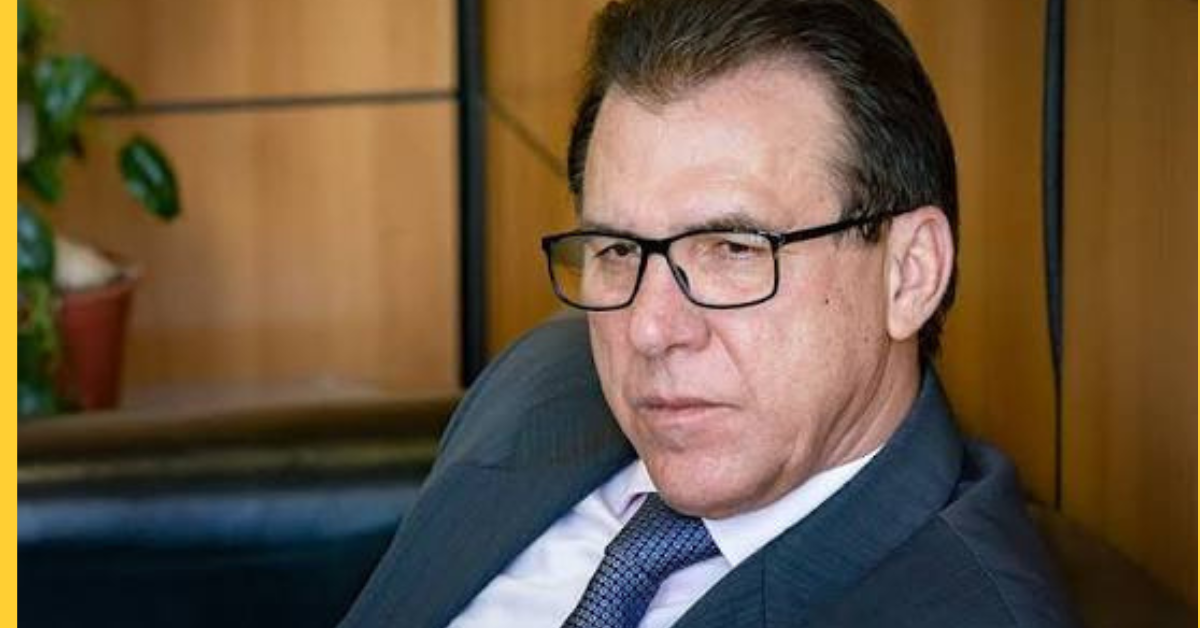
Luiz Marinho stated that betting can lead to addiction, debt, and illness, and that the government has already restricted the birthday withdrawal after identifying that the money was being used on bets.
The Minister of Labor and Employment gave a personal assessment during his interview with the newspaper Poder 360, saying that bets “had to end” in Brazil and criticizing the decision to allow betting while modalities such as bingo were banned in the country.
The statement was made in an interview broadcast live on August 12. Directly asked whether bets should be banned and whether the government was working toward that, Marinho said the government has been seeking to restrict the sector, but personally advocated for ending bets.
According to him, betting can cause addiction, debt, illness, and loss of productivity. He compared the issue to the debate over the 6×1 work schedule and questioned the difference in regulatory treatment between bingo and bets.
“You ban bingo but allow bets, it doesn’t make much sense,” he said.
Advertising and risk of addiction
The minister also criticized the volume of advertising associated with betting, especially ads that present quick winnings and high financial returns as bait to attract users.
For Marinho, this can contribute to a process of addiction among part of the population.
He compared betting to other addictive behaviors and cited a personal case involving a family member who, according to him, developed a bingo addiction and ended up compromising the purchase of food for her children.
He also said that the State is responsible for setting limits on this type of activity, although he acknowledges individual autonomy. In his view, the government, Congress, and the Judiciary all share responsibility for defining these limits.
FGTS enters the debate
The minister also spoke about the FGTS birthday withdrawal. According to him, many workers were advancing this money to bet on betting sites and on the “Tigrinho” game.
For this reason, the government decided not to end the birthday withdrawal, but to impose stricter rules: fewer allowed operations and smaller withdrawal amounts.
With this statement, Marinho reinforces his criticism of betting. In addition to linking it to health problems and debt, he now points to a direct connection: FGTS money being used to fund bets.
Pressure against bets
This statement confirms what Marinho had already advocated: banning sports betting due to the health problems, impoverishment, and debt linked to gambling.
But this time he was more direct. He said bets “had to end” and questioned why they are allowed in Brazil, since other types of gambling remain banned.
For the regulated iGaming market, this shows that the debate over the future of betting is still not settled within the government, even with the sector already regulated. Marinho’s opinion alone does not change the law. Truly banning betting would require a change in legislation, approved by the National Congress.