
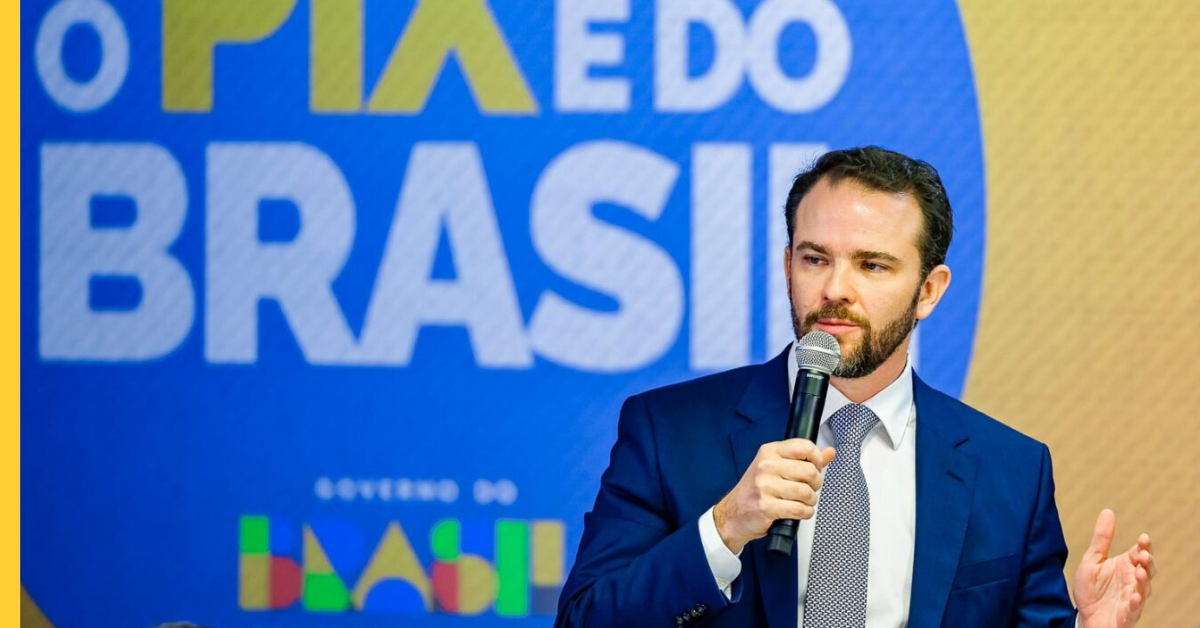
The executive secretary of the Ministry of Finance, Dario Durigan, once again defended the regulatory model adopted by Brazil for the online betting market, highlighting the importance of oversight and the fight against illegality for the development of the sector.
The statements were made during an event hosted by JPMorgan, in São Paulo, one day after (10th) Durigan stated, in an interview with InfoMoney, that the government needs to be “tough on regulation” of betting and that banning the activity could favor illegal sites and harm the State’s oversight capacity.
At the event, the executive secretary used the betting sector as an example of the expansion of the Brazilian government’s regulatory capacity.
According to him, operators have come to operate under a more robust system of taxation, monitoring, and oversight than what was seen before regulation.
Durigan stated that, in previous governments, operators had “the same immunity as churches,” referring to the absence of specific taxation and oversight for the activity.
According to the secretary, the scenario changed with the regulation of the market, which began requiring licensing, tax collection, data sharing with the government, and continuous monitoring of operations.
He highlighted that this work has already resulted in the shutdown of more than 30,000 irregular companies and the prohibition of using the credit card market for betting, aiming to protect family budgets.
Praise for the Administration
The statements reinforce the strategy used by the Ministry of Finance (SPA) since the implementation of the regulated fixed-odds betting market.
The Brazilian model combines licensing, taxation, transaction monitoring, information sharing with authorities, and requirements related to anti-money laundering and responsible gambling.
The statement also comes amid intensified efforts by the government to reduce the illegal betting market’s share.
Industry entities, such as ANJL and IBJR, argue that strengthening oversight and increasing channeling to licensed operators are essential factors for the success of regulation and for consumer protection.
Durigan’s statement signals that the Lula government intends to use progress in betting regulation as a demonstration of its ability to structure previously informal markets, and to increase revenue collection without resorting to bans.