
According to a report by the Confederation of Production and Commerce (CPC) of Chile, illicit economies move 5.7 billion US dollars in the country and generate revenue losses of more than 1.5 billion. The gross revenue of illegal casinos and online betting during 2025 is estimated at 625 million.
The report “For a Chile Without Illicit Economy” has highlighted that the illegal economy represents 1.5 percent of the national Gross Domestic Product (GDP) and that these types of activities take advantage of “regulatory gaps, weaknesses in oversight systems and insufficient sanctioning frameworks, which facilitates their escalation, diversification and consolidation.”
The illegal casino and online betting sector ranks among the most lucrative illicit markets. The figures highlight that illegal betting has gone from being a marginal activity to becoming a large-scale market, with the infrastructure and operational capacity to attract users, displace authorized operators, and operate outside state control mechanisms.
Urgent need
For Cecilia Valdés, executive president of the Chilean Association of Gaming Casinos (ACCJ), regulating online gambling is not an option, but an urgent necessity.
To put the issue into perspective, Valdés cited Operation Tokio and Operation Muralla Oriental II as recent examples that illustrate the links between illicit activities, money laundering, the use of financial platforms, cryptocurrencies and clandestine gambling networks.
The absence of a regulatory framework does not slow the advance of clandestine gambling, and illegal betting is part of a parallel economy that evades taxes and competes unfairly with the formal industry.
“Legislating is urgent,” she said. “We call on the authorities to urgently move forward with comprehensive regulation that guarantees fair competition, consumer protection and legal certainty for the development of this activity,” she emphasized.
“Covert legalization”
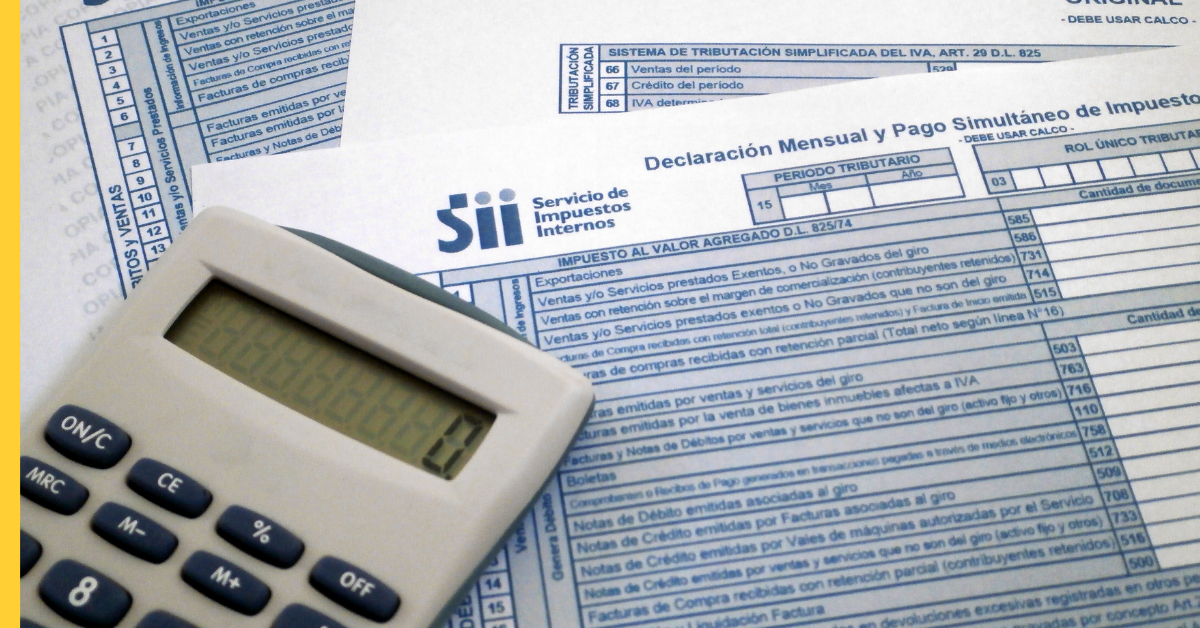
However, Valdés argued that legality cannot come through administrative means. She was referring to the resolution by the Internal Revenue Service (SII), which allows foreign betting platforms to register to pay Value Added Tax (VAT) in Chile.
“Paying VAT does not turn an illegal operation into a legal one,” she warned. Nor does it automatically subject these platforms to anti-money laundering controls.
According to the association’s head, the SII’s decision is not a “simple act of tax collection,” but rather “operates as a mechanism of covert legalization.”
It should be noted that the current regulatory framework only allows the operation of gambling games in physical casinos.
Last month, the Senate’s Economy Committee and the Executive branch agreed to form a technical working group to unblock and refine the bill (Bulletin No. 14838-03) that regulates online betting platforms.