
During the World Cup, which ended on the 19th, the number of sports bets rose by as much as 300%, but the result fell short of what the sector had projected due to the Brazilian national team’s elimination and the image crisis caused by advertisements during broadcasts, according to data from the Klavi platform in a report by Folha.
According to a survey by the financial platform Klavi, the average deposit amount rose from R$ 188 before the FIFA World Cup to R$ 245.05 during the tournament.
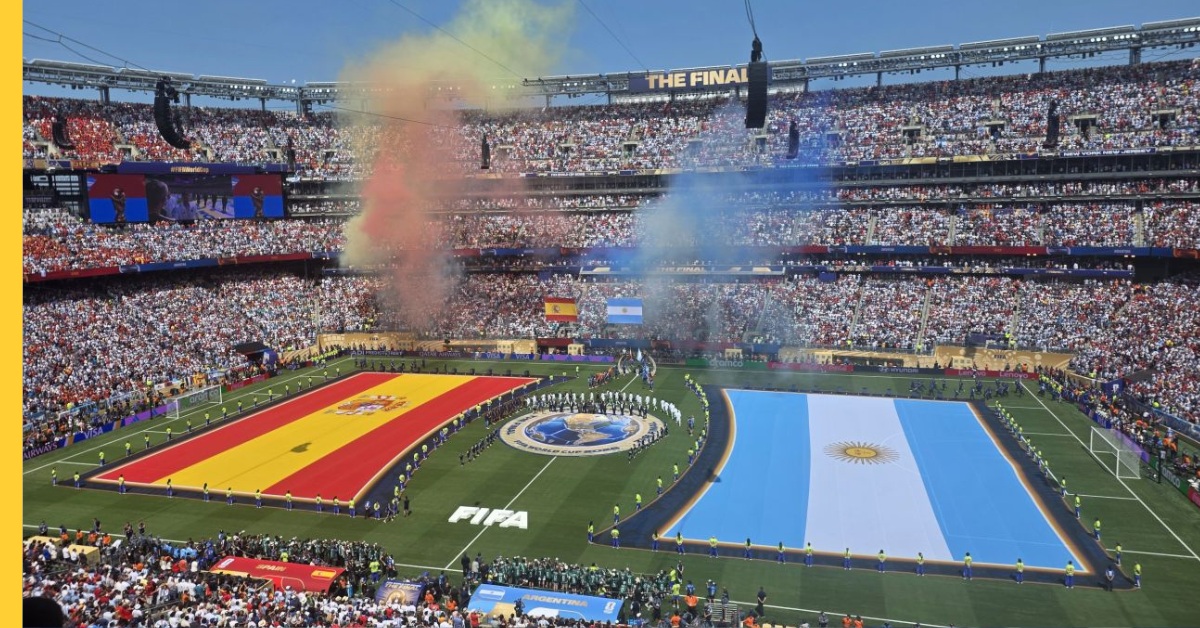
Peaks above R$ 400 were recorded on the eve of Brazil’s matches. On the day of the final between Spain and Argentina, on Sunday (19), the figure dropped to R$ 172.
Pay4Fun CEO Leonardo Baptista stated: “About an hour before the games, the number of transactions increases, and it keeps increasing until a minute before the game. The game starts, and it drops.”
Despite this, the result fell short of what the sector had projected. H2 Gambling Capital CEO Ed Birkin had estimated a surplus of R$ 20 billion in deposits this year, but now believes the figure came in slightly below that.
Two factors explain this disappointment: the early elimination of the Brazilian national team and an image crisis caused by betting advertisements during sports broadcasts.
The trigger
This crisis began with criticism on social media of betting ads on CazéTV during the games, which led to an administrative proceeding by Senacon (Ministry of Justice) and a record number of mentions of the topic on social media in June.
Influencer Hugo Freitas claimed that the channel’s coverage was inducing about 3 million people to bet, based on his analysis of the ads shown during 16 matches.
CazéTV denies the claim and states that its sponsorship content complied with advertising regulatory limits.
The case had repercussions that experts compared to the effect of Felca’s “Adultização” video, which drove the approval of the Digital ECA.
Consequences
In response, the Ministry of Finance issued new regulations, and since July 17, all betting advertisements must include a mandatory warning phrase (about addiction, loss of money, or the fact that betting is not an investment).
At the same time, the Brasil Contra as Bets movement is pushing for a bill to restrict advertising and sponsorships by betting houses, and there is also a lawsuit against ads by influencer Virgínia Fonseca for Blaze, a request that was denied in the first instance last week.
Prosecutor Paulo Roberto Binicheski, author of the related public civil action over abusive advertising, said that the Public Prosecutor’s Office is working together with the Ministry of Finance and Senacon to promote substantial changes to the current regulatory framework.
ANJL acknowledged that some advertising restriction was expected ahead of the elections, but said it was concerned that recent measures could mark the beginning of a broader wave of retaliation against licensed operators.
According to the industry and the AGU (Attorney General’s Office), licensed betting companies already pay high fees and taxes, and advertising restrictions risk strengthening the illegal market by reducing the visibility of regulated platforms.