
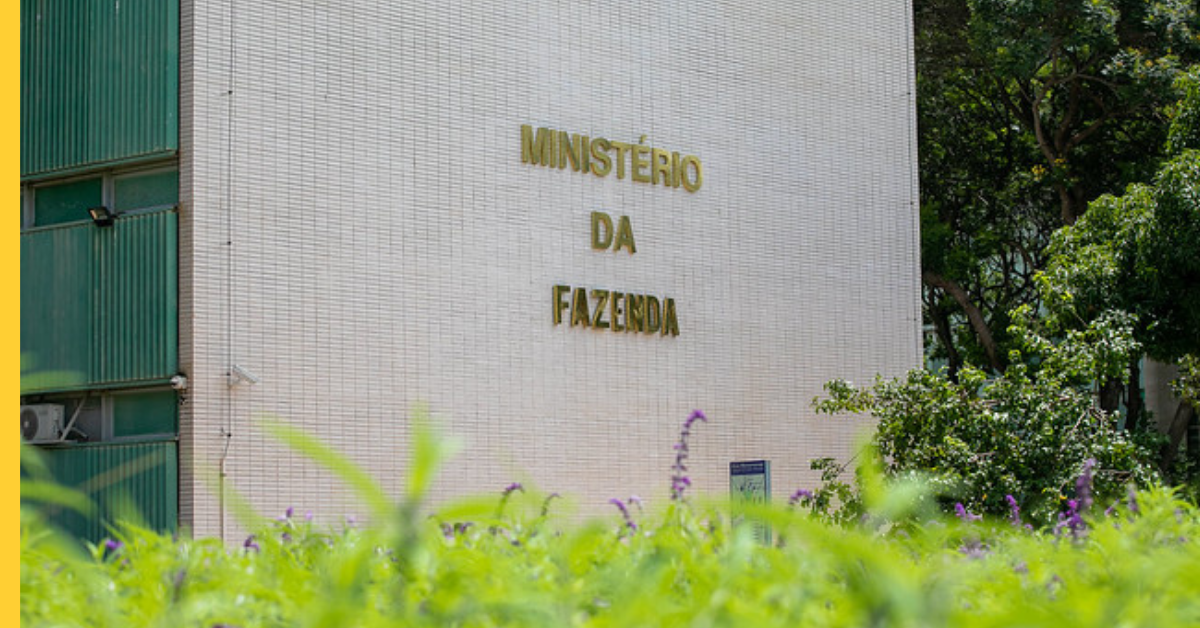
Since 2025, the Ministry of Finance has already opened more than 100 proceedings against betting companies, involving 73 of the 85 companies authorized to offer betting in Brazil.
The information was released by Folha, with data obtained by the Ministry of Finance through the access to information law.
Considering the proceedings already judged, 32 of them resulted in a warning and seven in a fine, with one also resulting in a suspension, though the decision was revoked after the brand complied with the determinations.
Fines against betting companies total R$11 million
Still according to information from the Ministry of Finance gathered by Folha, the total value of penalties in proceedings against betting companies amounts to about R$11 million.
A recent example was the penalty applied to Blaze, in the amount of R$2.3 million, due to ads targeted at minors under 18.
The betting company has up to 10 business days to file an appeal in court, with the deadline expected to expire around August 6th.
As established by the Betting Law (Law No. 14,790, of 2023), fines against betting houses can reach R$2 billion per infraction. The amount varies between 0.1% and 20% depending on the company’s revenue.
How punishment against betting companies works

Changes in oversight for this year
Also as indicated by Folha, the Ministry of Finance, through the Secretariat of Prizes and Bets (SPA), intends to improve the monitoring and sanction mechanisms related to online betting.
According to the department, this should happen this year. Cases of repeat offenses, for example, could face harsher penalties.
Once licensed operators build up a track record, first-offense status will carry less weight, which could increase the incidence of fines.
The number of suspensions may also grow. Pixbet, for example, was suspended for not complying with SPA requirements during the licensing process.
The company resolved the situation, and therefore the penalty was not ultimately enforced.
Broader restrictions regarding betting advertising and consumer protection are expected to increase as SPA monitoring is expanded.