
The number of bets on the 2026 World Cup is expected to be significant during the event’s edition, especially in Latin America, as pointed out by the Optimove Insight report.
According to the study, 86% of Latin American bettors plan to place bets throughout the tournament, even if their teams do not advance to the final stages.
In total, the study included the participation of 882 bettors, 264 of them from Latin America.
More experienced bettors
In addition to confirming the high level of interest in placing bets on the 2026 World Cup, the report highlights that the region has one of the highest engagement levels in the sector worldwide.
This year’s World Cup will feature 25% new bettors, while 75% are already more experienced and placed bets in previous events.
However, even with a significant number of newcomers, this does not mean a group of people who don’t understand football.
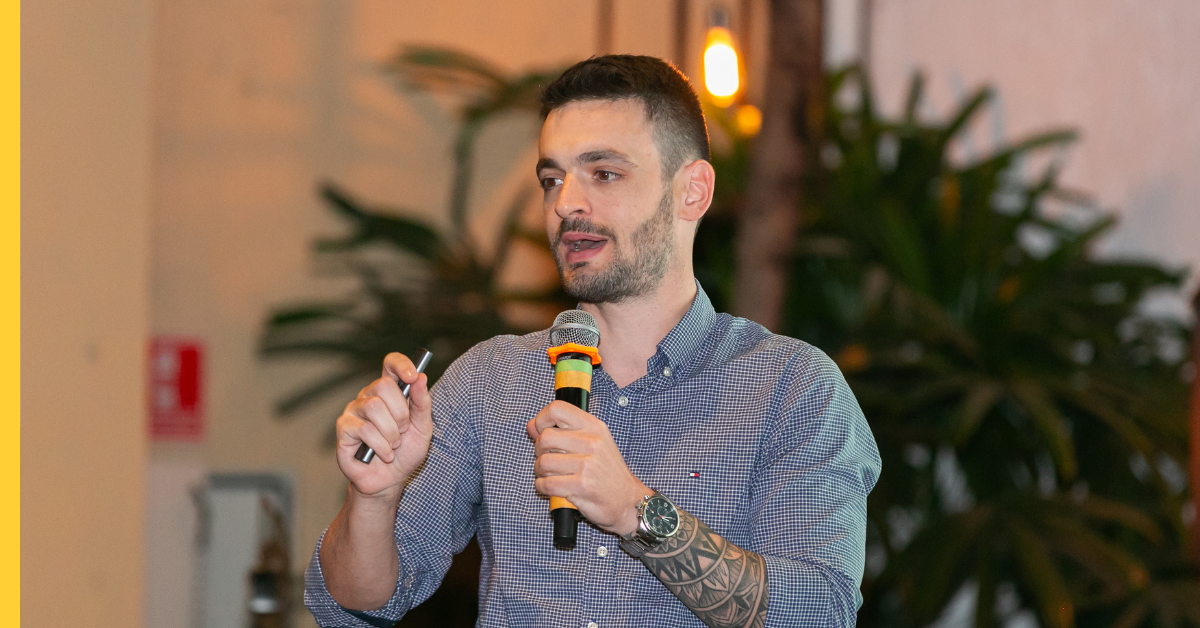
“The new Brazilian or Latin American bettor has often followed the sport for years, knows players, clubs, championships, and has a formed opinion about the game,” explains Rafael Alessi, senior account executive at Optimove in Brazil.
For him, operators that want to succeed in the region need to invest in a simple, frictionless journey, from registration to the first deposit and the first incentives.
“But communication can’t be too basic. The challenge is to educate about the betting experience without underestimating this player’s sports knowledge,” Alessi points out.
The confidence of Brazilian and Latin American bettors is also highlighted in the Optimove Insight report.
The number of bettors with moderate to high confidence in their knowledge about bets on the 2026 World Cup reached 94% in the region, signaling that the audience is well-informed, uses data, and expects personalized offers and services.
Preferences for bets on the 2026 World Cup
Among the main preferences of users in Brazil and Latin America when it comes to bets on the 2026 World Cup is live betting.
As the document points out, 77% plan to place live bets throughout the tournament.
“Brazilians experience the game minute by minute. They react to a goal, to pressure on the attack, to a card, to a substitution, and to a player’s performance. So it makes sense that live betting is gaining momentum, because betting becomes part of the experience of watching the match,” analyzes Optimove’s senior executive in Brazil.
Other relevant factors for retaining bettors who will place bets on the 2026 World Cup to continue their journeys on operators’ sites even after the tournament are organized data, personalization, and the ability to act in real time.
“The World Cup is an event of moments. A goal, an injury, an elimination, a comeback, or even a surprise in the lineup can completely change a bettor’s behavior. Whoever manages to react quickly, with a relevant message and through the right channel, will have a much better chance of retaining that player,” Alessi points out.
USA and Europe x Latam
Optimove Insight also released data on bettors in the United States, one of the event’s hosts, and in Europe.
And when comparing the regions, the differences are clear. The European market, for example, is more mature and stable, where bettors plan more and, in most cases, focus more on pre-match betting.
In turn, according to Alessi, Americans who will place bets on the 2026 World Cup are more focused on live betting, parlays, and real-time tracking.
In Latin America, and especially in Brazil, these dynamics are also present, but the emotional aspect is a striking characteristic among bettors.
Fans even indicated in the survey that they will continue betting on the tournament even if their teams are eliminated.
In terms of comparison, the study shows that 78% of bettors in Latin America will bet on the 2026 World Cup throughout the entire competition, while in the United States only 65% would have this intention.
“The bettor wants good offers and good markets, of course, but also responds a lot to context: the moment of the match, the national team’s performance, a specific player, a rivalry, or a comeback,” adds Alessi.
Operators should also consider that in Brazil this can be even more complex, since player behavior can change according to the region.
“That’s why, for operators, the big differentiator won’t just be having a good World Cup campaign. It will be managing to turn data into fast, personalized, and relevant actions,” he concluded.