
The 2026 World Cup is expected to generate around US$ 50 billion in bets globally, cementing itself as the biggest attention and engagement event in the industry, according to Sportradar data.
The 2026 World Cup represents, for Latin American operators, an opportunity that goes far beyond the natural increase in traffic and betting volume. With an expanded edition featuring 48 national teams and 104 matches spread over 39 days, the tournament will create more touchpoints with fans and open the door for acquisition, retention, and engagement strategies on an unprecedented scale.
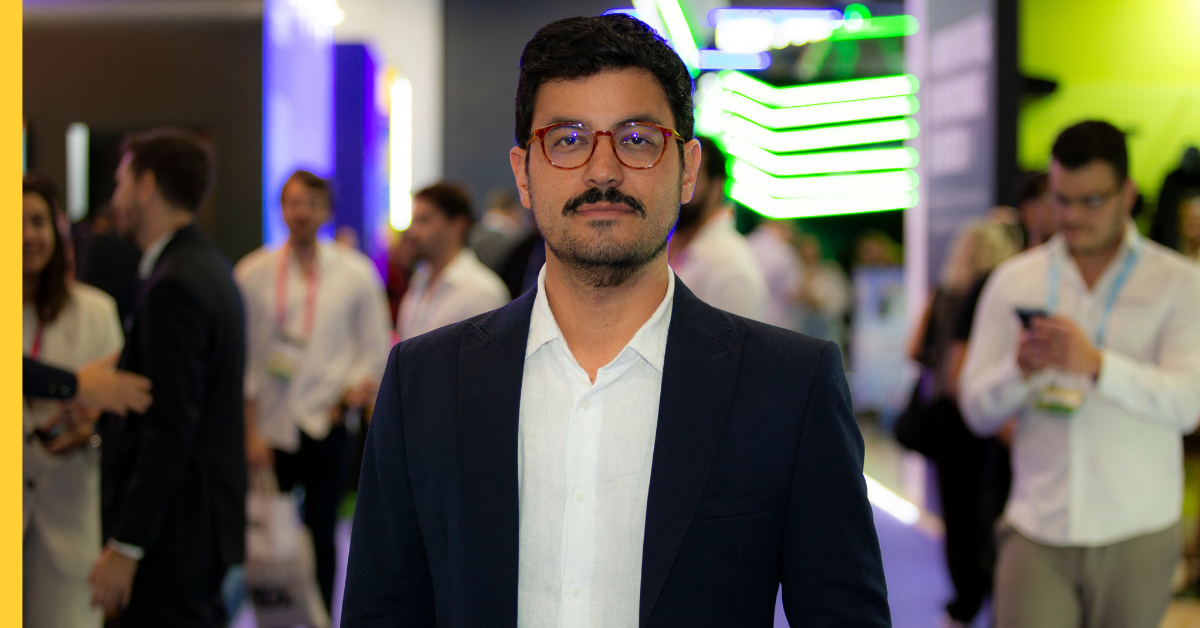
According to Rodrigo Cambiaghi, Senior Digital Advertising Sales Executive for Latin America at Sportradar, the competitive edge will not lie solely in media investment. The best-prepared operators will be those able to combine data, technology, and personalization to activate real-time campaigns aligned with the emotional context of each match.
Generic campaigns vs. data-driven campaigns
In this scenario, generic campaigns that rely exclusively on promotional bonuses or large media volumes tend to lose effectiveness. Without a robust real-time data infrastructure and the ability to optimize continuously, operators risk wasting the moments of highest betting intent and turning an audience peak into a missed opportunity for sustainable growth.
The experiences observed during Euro 2024 and the Copa América showed an important shift in how the most successful brands approach advertising. Instead of betting on broad, poorly segmented campaigns, they began working with strategies driven by data, context, and real-time fan behavior. Every moment of the match started to have its own value.
“A goal, a sequence of dangerous attacks, a standout individual performance, or a change in the pace of the game became triggers for dynamic campaigns distributed across multiple channels, such as social media, video, audio, and programmatic media,” says Cambiaghi.
Advertising technology (automation and AI) made it possible to personalize campaigns during sporting events, making communication more efficient and increasing deposits while reducing acquisition costs.
One of the most relevant examples of this evolution is dynamic creative advertising aimed at micro betting. Instead of focusing solely on the final result, operators began promoting specific, short-duration markets, such as the next corner kick or shot on goal.
With continuous monitoring of the match, the technology identifies opportunities and automatically activates campaigns at moments of highest engagement. This approach makes communication more contextual, increases the relevance of offers, and boosts conversion by aligning marketing with bettor behavior.
“Always On” Campaigns
This logic is directly linked to the concept of “Always On” campaigns, increasingly valued by operators. For Cambiaghi, the premise is simple: fan engagement doesn’t disappear between the big moments of the match. Even during periods without goals, attention remains focused on live statistics, anticipation for the next play, player performance, and interactions on social media.
“The most advanced operators are able to make the most of these intervals by using real-time data to offer betting suggestions and content aligned with the context of the game. The focus shifts from being exclusively on the big event to encompassing the entire dynamic of the match, keeping the user engaged throughout the entire journey,” he explains.
For the 2026 World Cup, this ability to adapt will be even more important. With matches spread across three countries, different time zones, and a long-running competition, budget flexibility tends to become a decisive factor.
Instead of following a rigid plan, the most efficient operators will need to work with structures capable of redistributing investments according to campaign performance, user behavior, and the narratives that emerge throughout the tournament.
According to Cambiaghi, maintaining brand consistency will be just as important as reacting to the tournament’s events. One of the most common mistakes is directing nearly the entire budget toward immediate acquisition efforts. The best-positioned companies are those able to balance awareness, acquisition, and retention throughout the competition, preserving a clear identity while adjusting messaging, formats, and campaign intensity as fan behavior evolves.
Latam Diversity
Although football is a shared passion across Latin America, the region’s markets show significant differences in terms of maturity, regulation, and user behavior. In more developed markets, personalization, user experience, and retention strategies are key, while in newer markets the focus is still on customer acquisition and brand building.
Furthermore, bettor engagement tends to vary according to the performance of national teams, making localized campaigns more effective than standardized regional approaches.
Another challenge for operators is regulatory fragmentation, since each country has its own rules for advertising and communication. In this scenario, technology and automation become essential to adapt campaigns in real time to local requirements without compromising efficiency.
According to Cambiaghi, success during the 2026 World Cup will increasingly depend on companies’ ability to combine real-time data, personalization, and agile execution, balancing regional strategies with strong adaptation to the particularities of each market.