
The Brazilian government moves forward to regulate betting app design while the ban on prediction markets remains on the radar.
After targeting advertising and access for certain user groups, the Treasury now wants to regulate the very interface architecture of betting apps and websites.
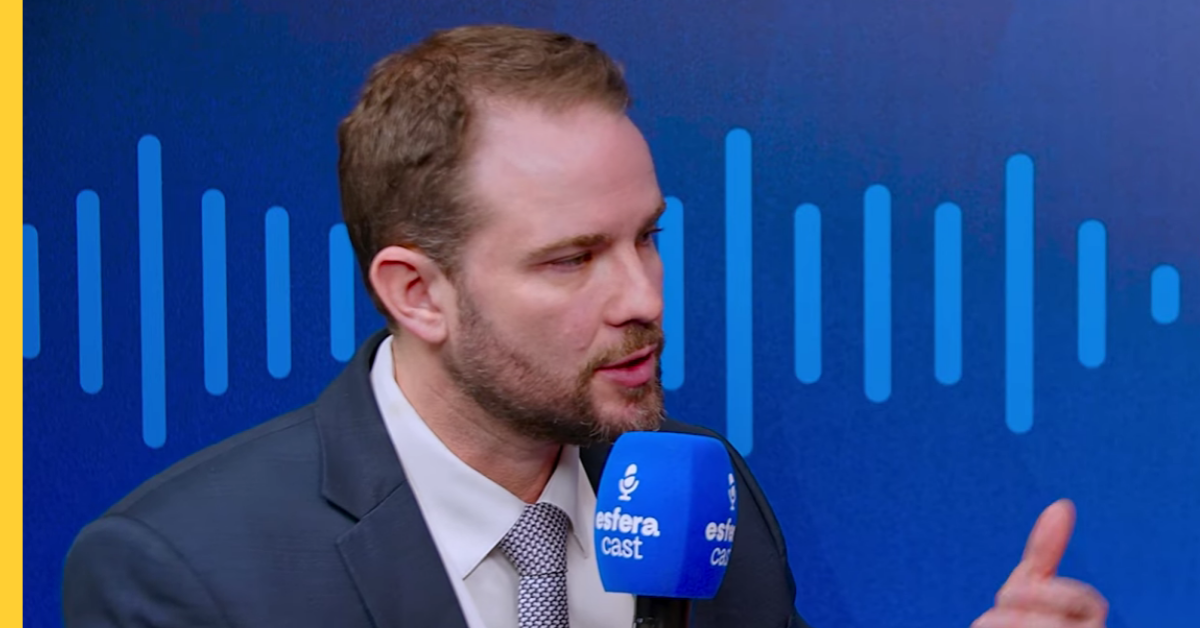
Finance Minister Dario Durigan confirmed the intention during an appearance on the EsferaCast program, by Esfera Brasil, on the 27th.
According to him, the goal is to curb design patterns that encourage compulsive behavior, interface mechanisms designed to keep bettors engaged for longer periods.
Durigan treated the issue as a personal concern of his own and of President Lula, and stated that the government has already expanded control and the fight against gambling in the country, with special focus on illegal betting sites.
He linked the issue to public health, stating that regulation will advance on “new design models that encourage this type of addiction, this type of disease”.

What has already changed before this
The measure adds to a sequence of restrictions that the government has been implementing throughout 2026:
– July 2026: stricter rules on betting advertising came into effect.
–Access restriction: certain groups of bettors were blocked from the market; BPC beneficiaries, retirees, and those who renegotiated debts through the Desenrola program have facilitated access to self-exclusion or have already been automatically excluded.
–Self-exclusion via Gov.br: more than 1.2 million people have already used the integrated system to voluntarily exclude themselves from the platforms.
–Banned prediction markets: in April 2026, the government blocked 27 prediction market platforms and banned derivative contracts linked to sports, online games, elections, and other social events, treating the category as an additional gateway to indebtedness.
This point deserves extra attention from those following the prediction markets sector globally, as it positions Brazil as one of the most restrictive markets in the world for this product category.
Where regulation goes from here
What changes with Durigan’s announcement is the target: instead of regulating what can be advertised, the government now aims to target what can be built.
There is still no detail on which design mechanisms will specifically be banned, nor on the legal instrument the government intends to use to enforce these rules.
The minister framed the initiative within a broader goal of fighting indebtedness, also linking the measure to the health of retail and commerce.
International perspective
The Brazilian move follows a trend already underway in other regulated markets. The UK and parts of Europe have been testing similar measures: affordability checks, autoplay limits, mandatory session time warnings.
The logic is the same: treating the product interface, not just advertising, as a source of risk.
Brazil only regulated betting in 2024. Now it is already signaling that it will pursue this same design agenda, compressing into a few years what took much longer in more mature markets.
Operators who have already faced the first wave of restrictions in the country recognize the pattern.
Antonio Forjaz, Latin America head at Sportingbet, sums up the change in advertising rules this way: “there is no ban on betting advertising in Brazil, what happened was the creation of a much more restrictive regime”.
On the technology side, Lucas Andion, Business Superintendent at Cactus Gaming, describes the sector’s response to regulatory instability as a matter of preserving “flexibility and optionality in investment decisions”.
For those operating or thinking of entering Brazil, the message is clear: regulation will not stop at advertising. The next step may change what is allowed to be built within the product, at a time when the country has already shown it is willing to ban entire categories, as it did with prediction markets.